
The Brain in a Vat
Skeptical thought experiment · 20th c.
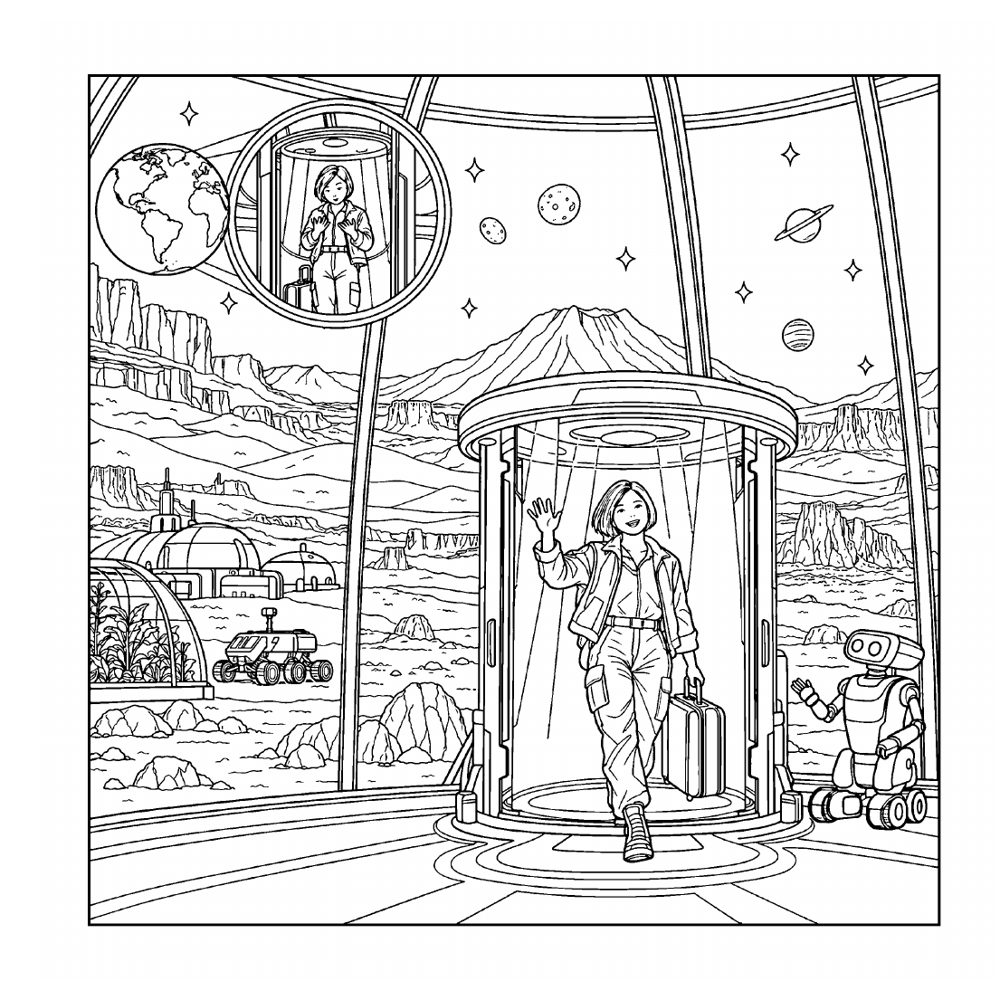
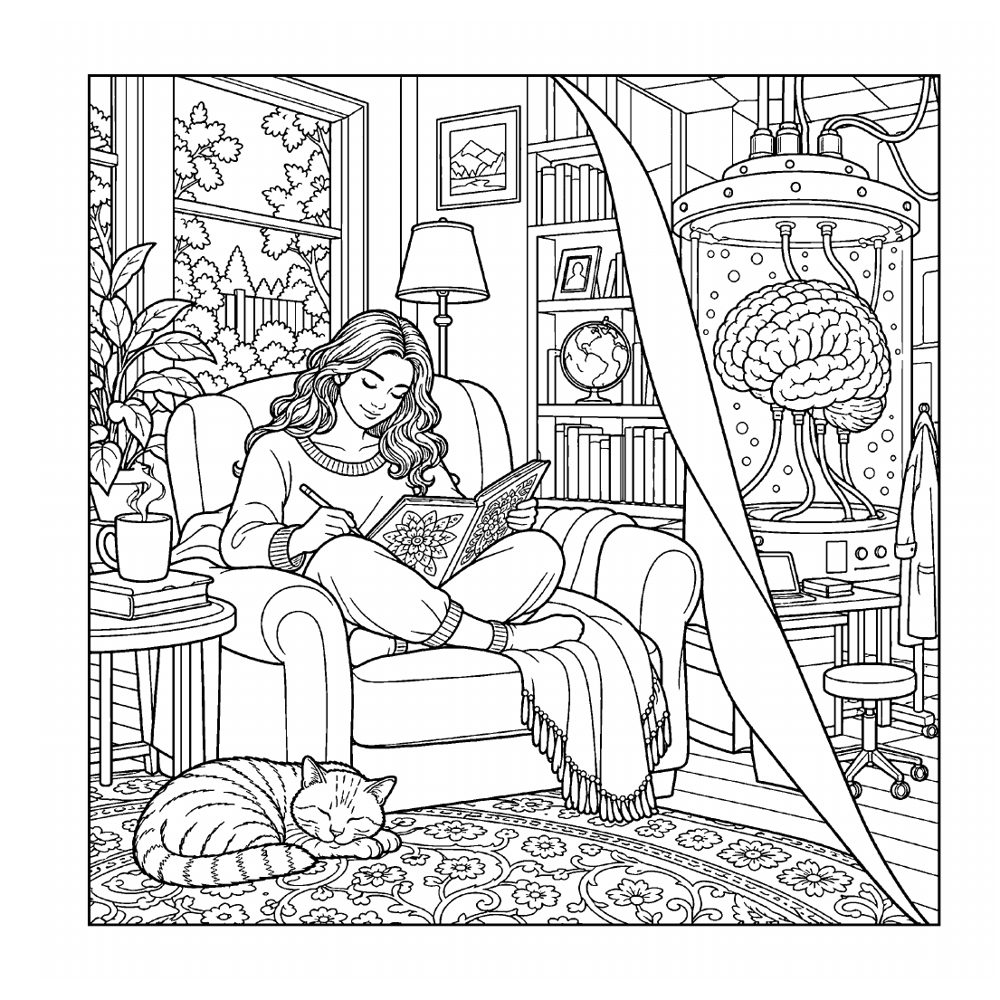
Here’s a disturbing scenario. What if an evil scientist removed your brain last night, placed it into a vat of nutrients, and wired it to a supercomputer that perfectly recreates your life as you know it? Your senses and experiences remain vivid: coffee tastes the same; the room, house, and neighborhood look identical; and even the cat behaves no differently. But of course, behind the scenes, lab machinery generates all of these things. If this sounds like The Matrix, that’s no accident. Right now, your situation could be like Neo’s before he takes the red pill and wakes up in the real world, except that you’d wake up as a brain floating in goo. If this scenario is even possible, how do you know it hasn’t already happened?
Try to think of a method to prove that you’re not a disembodied brain, stimulated to sense and feel what you do. Pinching yourself won’t help: the supercomputer would replicate the feeling of mild pain. Any evidence that you could use to rule out this scenario is already in question since the machine would produce it. This view, called external-world skepticism, doesn’t claim that we’re actually brains in vats or living in a simulation, only that we can’t prove that we’re not. Since you can’t rule out these scenarios, the skeptic argues, you can’t know anything about the world outside your mind, not even your name or that you have hands! This is what makes this puzzle so stubborn. But keep coloring: even if the world around you is a simulation, at least the coloring experience is convincing.
What is one experience from today you are absolutely certain was real? What makes you so sure?
Would you want to know if reality was not what it seems like? Why or why not?